Case study · Biotechnology, OEM division · Germany into Japan and South Korea
200+ sales qualified leads in Japan and Korea, from a 3-month test that became a longer contract.
The OEM division of a large biotech group wanted new manufacturing partners in Asia-Pacific. Departments and business cultures in Japan and South Korea differ, so one generic message would not work.
Led by our founder · Figures from the client’s report · Name withheld · A 3-month test, extended for the year
- Industry
- Biotechnology, OEM division
- Based in
- Germany
- Markets
- Japan, South Korea, wider Asia-Pacific
- Length
- A 3-month test, then the full year
- Channels
- LinkedIn, InMail, email, newsletter
At a glance
Biotech OEM supplier · Germany into Asia-Pacific
The client and the goal
- The client
- The OEM division of a large biotech group based in Germany (the group has 5,001 to 10,000 people).
- Who they sell to
- Senior people at biotech, pharma and molecular diagnostics manufacturers, department by department: presidents and CEOs, chief scientific, innovation and procurement officers, VPs, directors and heads of department in quality assurance, clinical research, and product research and development.
- The goal at the start
- Find new manufacturing partners in Asia-Pacific, starting with a three-month test.
- The message angle
- A message for each department’s own needs, refined regularly for what works in Japan and in Korea.
 GermanyJapanSouth Korea
The route
From Germany to Japan and South Korea.
- Germany: the client’s base
- Japan and South Korea: the target partners
The lines join the countries; they are not routes. The wider target was Asia-Pacific. Map data: Natural Earth.
What we did
Researched by hand, department by department.
Companies and contacts were researched by hand, one department at a time.
CompanyIts own needsDepartmentIts own messageWrote for each department, then refined for each region.
Each department got a message for its own needs. The copy was refined regularly for what works in Japan and what works in Korea.
One message per department
Refined for Japan
Refined for South KoreaUsed every way in, around the trade fairs.
LinkedIn connection requests and follow-ups for at least a month per person, InMail to open profiles, email to people who connected but did not reply, and a monthly LinkedIn newsletter, all timed around BIO KOREA and BIO JAPAN. Our in-house AI platform at the time helped with the research; the messages stayed personal.
LinkedInInMail to open profilesEmailLinkedIn newslettermonthlyBIO KOREA, BIO JAPANoutreach timed to the fairs
What the work looked like
Job title
Department
Geography
- inLinkedInconnection requests, messages and follow-ups
- inLinkedIn InMailto open profiles
- @Emailto people who connected but did not reply
- NLinkedIn newslettermonthly updates from the client
- FTrade fairsoutreach timed to BIO KOREA and BIO JAPAN
PaceAt least a month of follow-up per person, until a reply.
Phase by phase
- Months 1 to 3A test, department by department, in Japan and South Korea.
- Rest of the yearThe client extends the work, with outreach timed to BIO KOREA and BIO JAPAN.
- Next yearThe client commits to another year.
Results
Exhibit 1
A three-month test, extended for the rest of the year, then the next year committed.
The engagement, in months, to scale
The bar shows time, not results.
See the numbers
| Test | 3 months |
|---|---|
| Extended | for the rest of the year |
| Next year | committed |
Exhibit 2
About half of the qualified leads became opportunities.
The campaign, stage by stage
21% of LinkedIn invitations
31% of connections wrote back
A qualified lead is a buyer who fits the brief and agreed to talk. The report counts opportunities without defining them. Reach is not drawn: the report’s 3,000+ people covers only the first test, and the campaign tracker counts 7,119 LinkedIn invitations in the first five months alone (to 6 June 2023), with InMail, email, a newsletter and two trade fairs on top and the campaign running on after that. No source gives the full reach, so no bar is drawn for it. Leads, opportunities and rates are from the client’s campaign report.
See the numbers
| Accepted | 21% |
|---|---|
| Replied | 31% |
| Qualified | 200+ |
| Opportunities | 100+ |
Exhibit 3
Acceptance ran at the median for LinkedIn campaigns; replies above HeyReach’s strong range.
This campaign against public benchmarks, %
MedianHeyReach strong rangeThis campaign
Invitations acceptedHeyReach 2026, 96,051 campaigns
New connections who repliedHeyReach 2026, reply to acceptance
Benchmarks from HeyReach, LinkedIn Outreach Benchmark Report 2026 (96,051 campaigns). A qualified lead is a buyer who fits the brief and agreed to talk.
See the numbers
| Invitations accepted: this campaign | 21% |
|---|---|
| Invitations accepted: median, HeyReach strong range | 20.75%, 31.78% |
| Replied: this campaign | 31% |
| Replied: median, HeyReach strong range | 18.1%, 28.89% |
What happened next
The test was extended for the rest of the year, and the client committed to the next year.
It began as a three-month test. The results led the client to extend for the rest of the year and commit to the next.What the campaign report records
What you can take from this
- Start with a test you can judge.Three months was enough for the client to decide on a year.
- Write for the department, not the company.Different departments in the same company need different messages.
- Refine for each culture.Japan and South Korea got the same offer in different words.
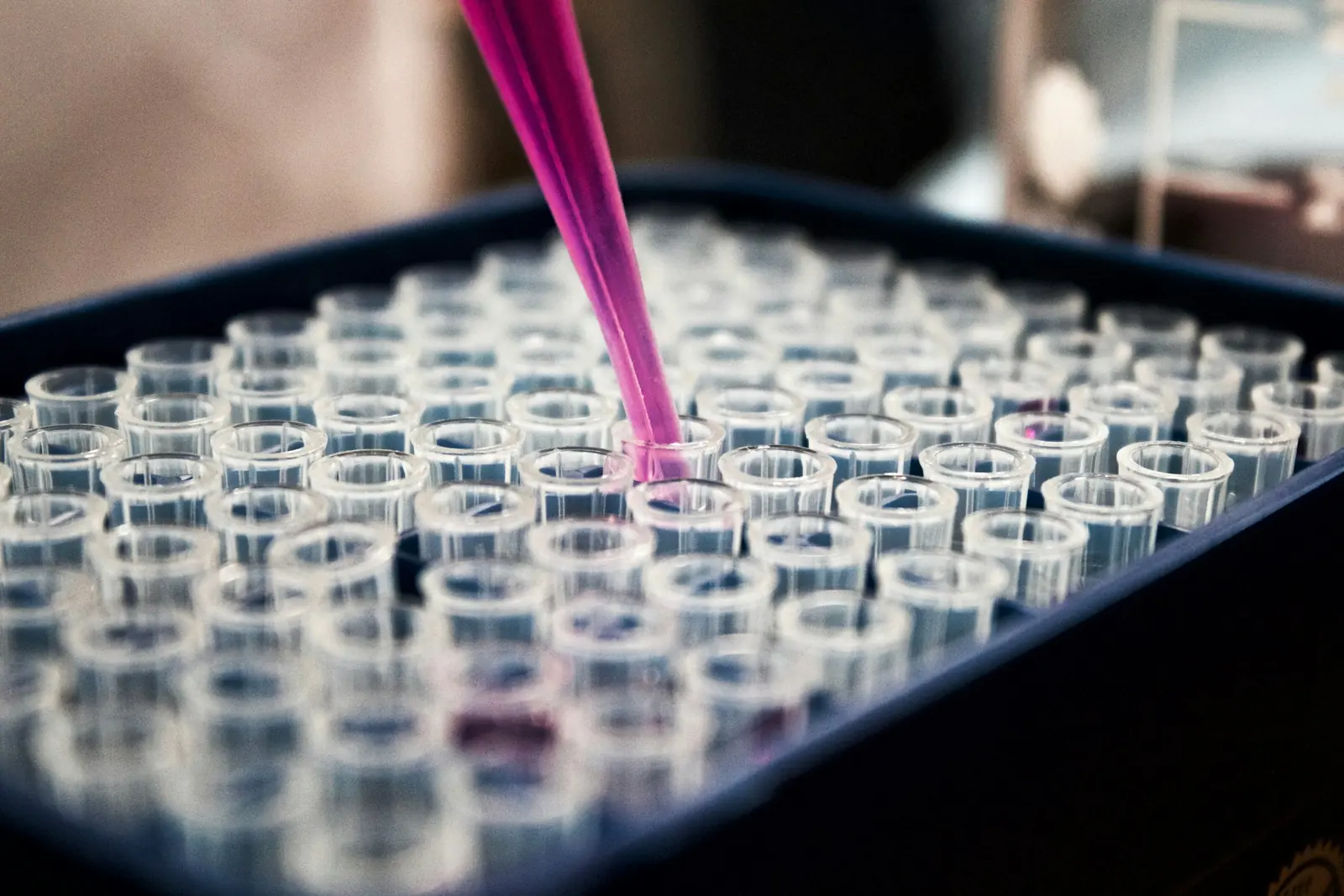
Photo: Louis Reed, on Unsplash. Map: Natural Earth. Benchmarks: HeyReach 2026.

Selling into Japan or South Korea? Let’s look at it together.
A free 30-minute Outbound Review. We look at your market, your buyers and your current outreach, and say plainly whether outbound can work there.