Singapore
How to book B2B meetings in Singapore
Buyers here answer short, plain messages on LinkedIn and email. When to write, what to skip, and the PDPA in plain words.
 By Saiful Islam Saif, Founder
· 6 min read
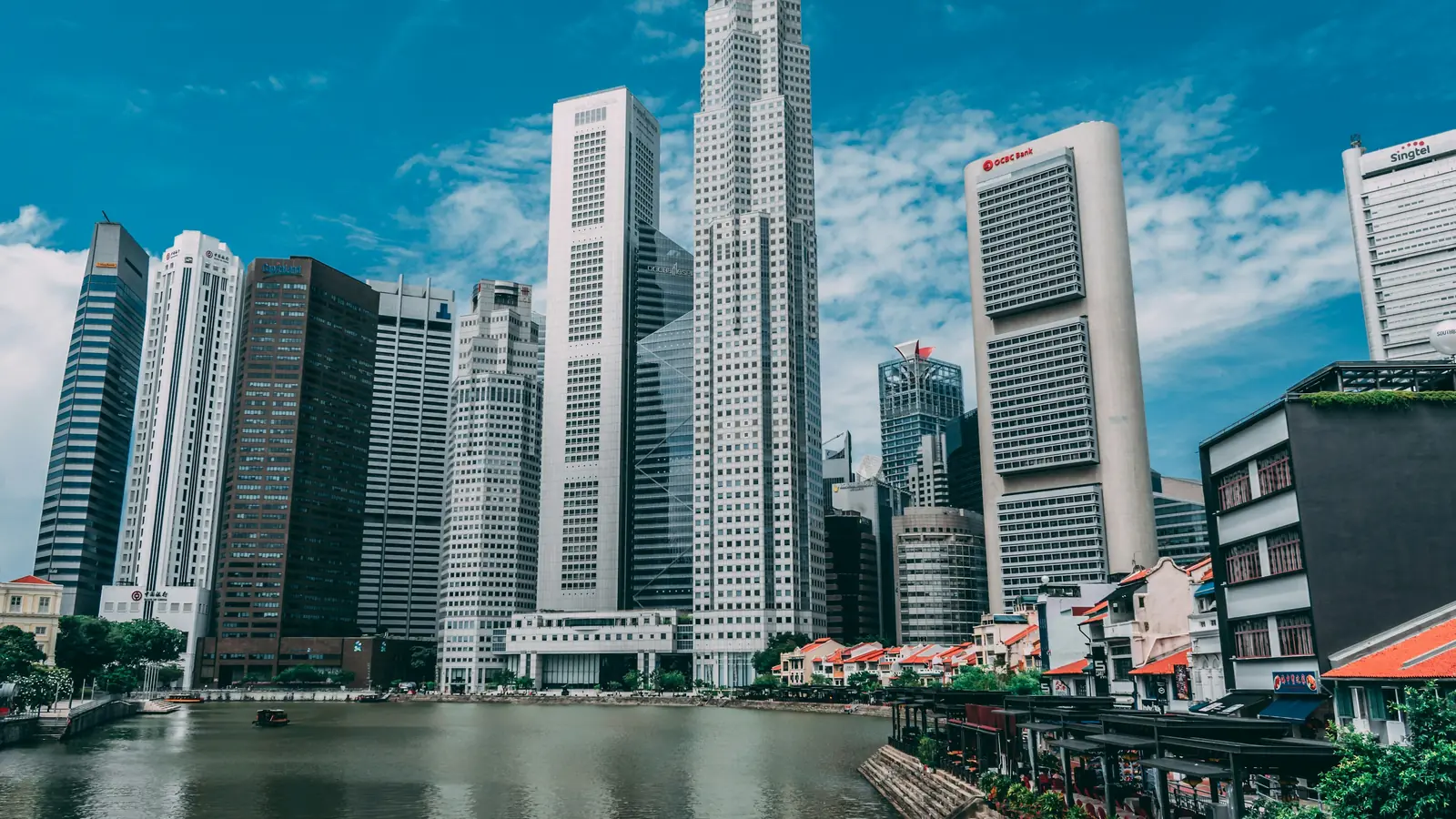
Photo: Aditya Chinchure, Unsplash
- 5.10M members in a country of 5.88M
- Lead with
- LinkedIn, then email. WhatsApp only if they stay quiet, with their OK
- Send
- Tuesday to Thursday, mid morning
- Public holidays, 2027
- 11
- Best windows
- Slow stretches
- 1Chinese New Year, Monday 8 February off in lieu6 to 8 Feb
- 2Hari Raya Puasa10 Mar
- 3Good Friday26 Mar
- 4Hari Raya Haji and Vesak Day17 and 20 May
- 5National Day9 Aug
- 6Deepavali28 Oct
Source: Ministry of Manpower, Public Holidays for 2027. Windows from this article
In short
Singapore buyers live on LinkedIn and email. They answer short, clear messages and ignore pushy ones. Write plain English, get to the point, and skip the big holiday weeks. B2B messages sit outside the Do Not Call rules, but the PDPA still covers how you collect and use personal data.
- LinkedIn had 5.1 million members in Singapore in late 2025, close to the whole population of 5.88 million.
- Lead with LinkedIn, back it up with email. WhatsApp comes last, for people who did not reply, and only with their OK.
- Be brief and specific. Singapore buyers are busy and polite, and they go quiet on anything vague.
- B2B messages fall outside the Do Not Call Registry. PDPA fines still reach S$1 million or 10% of local turnover.
Why is Singapore a good place to start?
Because almost everyone you want is already online and easy to find.
DataReportal, Digital 2026: Singapore counts 5.88 million people and 5.78 million internet users. LinkedIn reported 5.10 million members in late 2025.
 LinkedIn members5.10
LinkedIn counts registered members, not monthly users.
Show the data as a table
| Measure | Millions |
|---|---|
| Population | 5.88 |
| Internet users | 5.78 |
| Social media user identities | 5.33 |
| LinkedIn members | 5.10 |
That LinkedIn number counts members, not active users. Still, the people you want are there. Many regional heads for Southeast Asia sit in Singapore too, so one good list can open several markets.
How do Singapore buyers use LinkedIn?
They use it a lot, but mostly to read.
Senior people accept invites from peers in their field. Fewer of them post often. So you can’t always open with a comment on their last post.
What works instead:
- Check the company page. New office, new hire, new product. That is your reason to write.
- Look at what they share and like. It tells you what they care about, even if they never post.
- Keep the connection note short. One line that shows you looked at their profile.
What does the business culture expect?
Clear, polite and to the point.
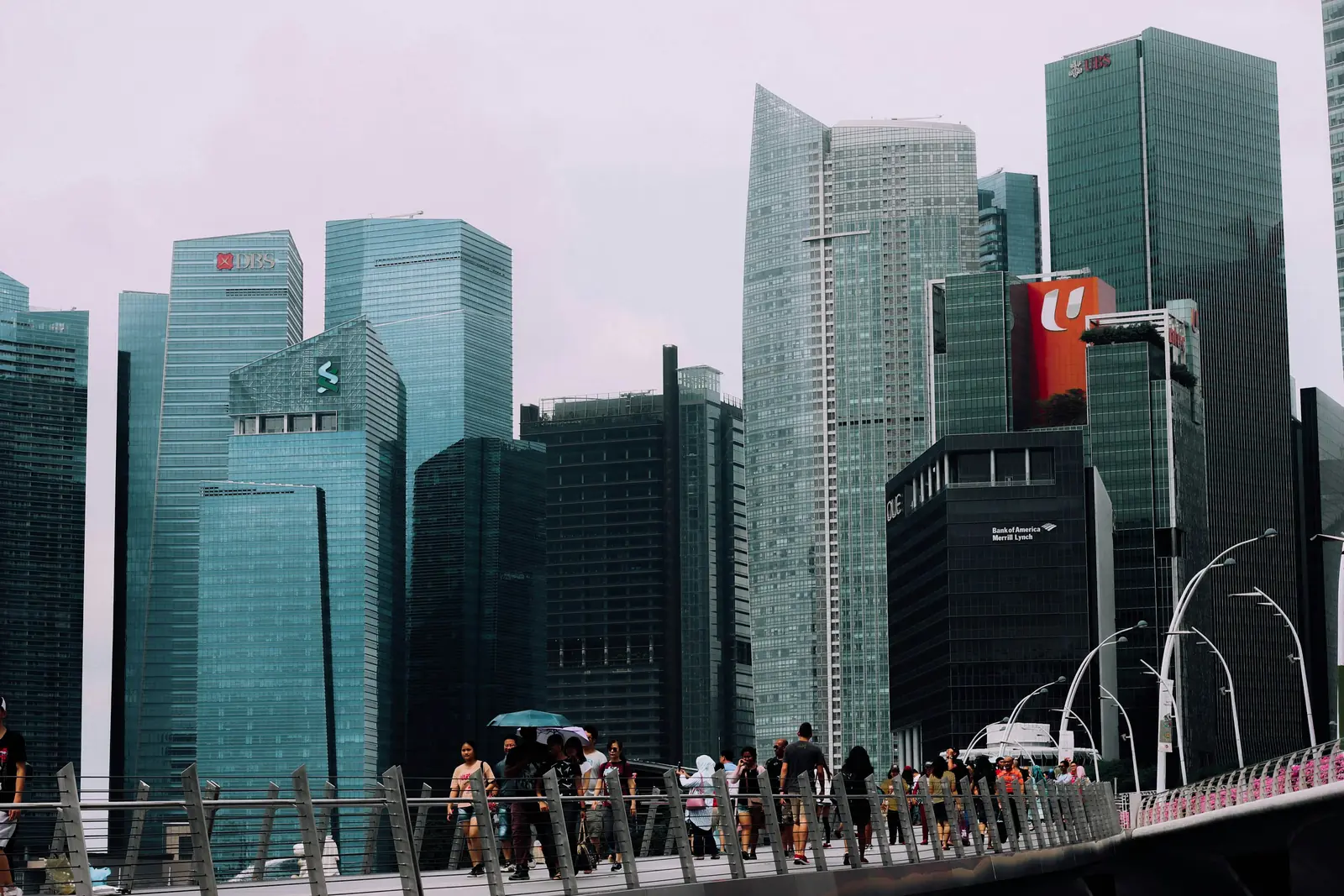
Singapore is fast. People read on the phone, between meetings. A long email about you gets archived.
A few things matter more here than in some markets:
- Respect for rank. Write to the right level. A junior manager may not reply if the topic belongs to their boss.
- Proof over promise. Name the kind of company you helped and what changed. Skip the big claims.
- No hard push. A “no” is often silence. Two follow-ups with a reason are fine. Five are not.
Which channels work best?
- LinkedIn first. It is where most first replies came from in the Singapore campaigns our founder has led.
- Email second. Short, plain text, sent from a warmed inbox, with a way to opt out.
- WhatsApp last. Many people here use it for work. We use it only for people who did not reply on LinkedIn or email, and only after they say yes. How to use it well.
- Phone last. Useful to confirm a meeting. Rarely the way in.
How fast do people reply?
Most replies come in the first few days, or not until weeks later after you have kept showing up.
When someone replies, answer the same day. In Singapore a slow answer reads as careless.
A Singapore gamification campaign our founder led ran across four Southeast Asian markets and turned 10,000+ contacts into 78 qualified leads over 16 months. Gamification was still new to many buyers. Webinars and events showed the work; the messages invited people to them.
In Singapore a slow answer reads as a small company.
Show the data as a table
| Measure | Result |
|---|---|
| Qualified leads | 78 |
| Decision makers reached | 10,000+ |
| Markets | Four, Southeast Asia |
What should you avoid?
- Opening with “I hope this finds you well” and a paragraph about your company.
- Fake familiarity. “Hey buddy” does not land with a finance director.
- Asking for 30 minutes in the first message.
- Sending the same text to five people at one company. They talk to each other.
When are the bad weeks?
Singapore has 11 public holidays in 2027 (Ministry of Manpower, Public Holidays for 2027). The ones that slow B2B most:
- Chinese New Year. 6 and 7 February 2027, with Monday 8 February off in lieu. The whole week around it is quiet.
- Hari Raya Puasa. 10 March 2027.
- Good Friday, Hari Raya Haji and Vesak Day. 26 March, 17 May and 20 May 2027.
- National Day and Deepavali. 9 August and 28 October 2027.
- Late December. Many people take leave from mid December to New Year.
What works best in our campaigns: Tuesday to Thursday, mid morning Singapore time. Plan big pushes for mid January, March to May, and September to November.
What do the PDPA rules mean for outreach?
In plain words, and not as legal advice:
- The Do Not Call rules do not cover B2B. SingaporeLegalAdvice, the Do Not Call Registry puts it simply: B2B marketing calls or messages sent to other organisations do not fall under the Do Not Call Registry.
- The PDPA still covers the data. Collect only what you need, use it for a clear reason, and stop when someone asks. Fines reach S$1 million, or 10% of Singapore turnover for firms above S$10 million, whichever is higher (ComplyHQ, PDPA penalties and fines 2026).
- Bulk email has its own law. The Spam Control Act covers bulk unsolicited commercial email. Give a working opt-out and act on it within 10 business days (MarketingAgency.sg, Spam Control Act guide 2026).
The simple version: write to people for a real business reason, keep your data clean, and remove anyone who says stop.
Questions people ask
Is cold outreach legal in Singapore?
Yes for B2B, within the PDPA. B2B messages sit outside the Do Not Call rules, but you still need a fair reason to use someone’s details and a way for them to opt out.
Should I write in English?
Yes. English is the language of business in Singapore. Keep it plain and short.
What is the best day to send?
In our campaigns, Tuesday to Thursday, mid morning Singapore time. Avoid the week of Chinese New Year and late December.
Can Singapore be a base for all of Southeast Asia?
Often, yes. Many regional heads sit there. Local teams in Malaysia, Indonesia and Thailand still need their own messages.
Sources
Law and consent
Platforms and people
Calendar and the working week
Our campaigns
Also cited
Every figure above is from these sources or from our own campaign reports. Where a figure is our arithmetic, the exhibit says so.
Saiful Islam Saif, Founder, Fable InLead. Has led 200+ B2B outbound projects across Southeast Asia, the GCC, Europe, Australia and the USA. LinkedIn